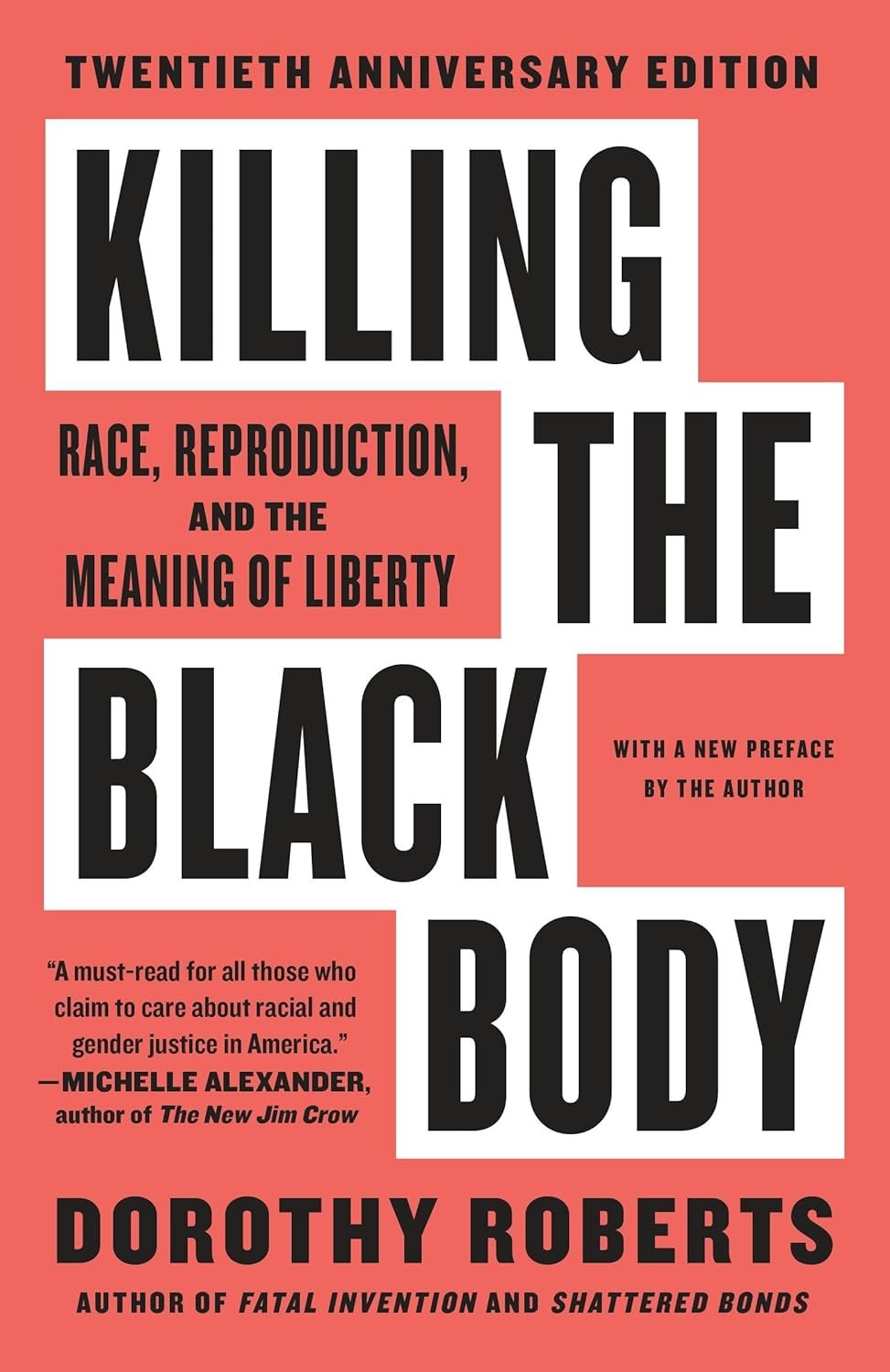
Killing the Black Body is a poignant exploration of the often-overlooked historical and systemic injustices facing Black women. This groundbreaking work, first published in 1997, continues to resonate, serving as a rallying cry for education and action within the realms of reproductive justice and racial equality.
In a society shaped by harmful stereotypes and media misrepresentations, this book strips away the layers of distortion to reveal the harsh realities of Black motherhood. It chronicles the economic interests of slave masters who exploited bonded women’s fertility and highlights troubling government interventions, including the coercive sterilization of poor Black women into the 1970s. These acts underscore a painful legacy of systemic abuse aimed at degrading Black women's bodies.
The insights presented in Killing the Black Body illustrate how these historical injustices still influence contemporary policies and societal attitudes. The author deftly connects past and present, showing how the struggles of Black mothers are often sidelined in broader feminist and civil rights movements. This book provides vital context for understanding ongoing disparities in health care, reproductive rights, and social justice.
This isn’t just an academic text; it’s a call to action. It’s essential for activists, educators, and anyone who cares about racial and gender justice. Readers are encouraged to reflect on how these historical narratives shape today's policies, advocating for a future where reproductive justice truly includes all women.
By examining the intersection of race, reproduction, and imperialism, Killing the Black Body encourages dialogue about the complexities faced by marginalized groups. The book serves as a crucial resource for understanding the historical context of racial injustices and its implications on women's rights today.
Even after two decades, Killing the Black Body remains essential reading for anyone committed to fighting for a more equitable society. Its compelling narrative and critical analysis make it a necessary companion for contemporary discussions on race and reproductive justice.