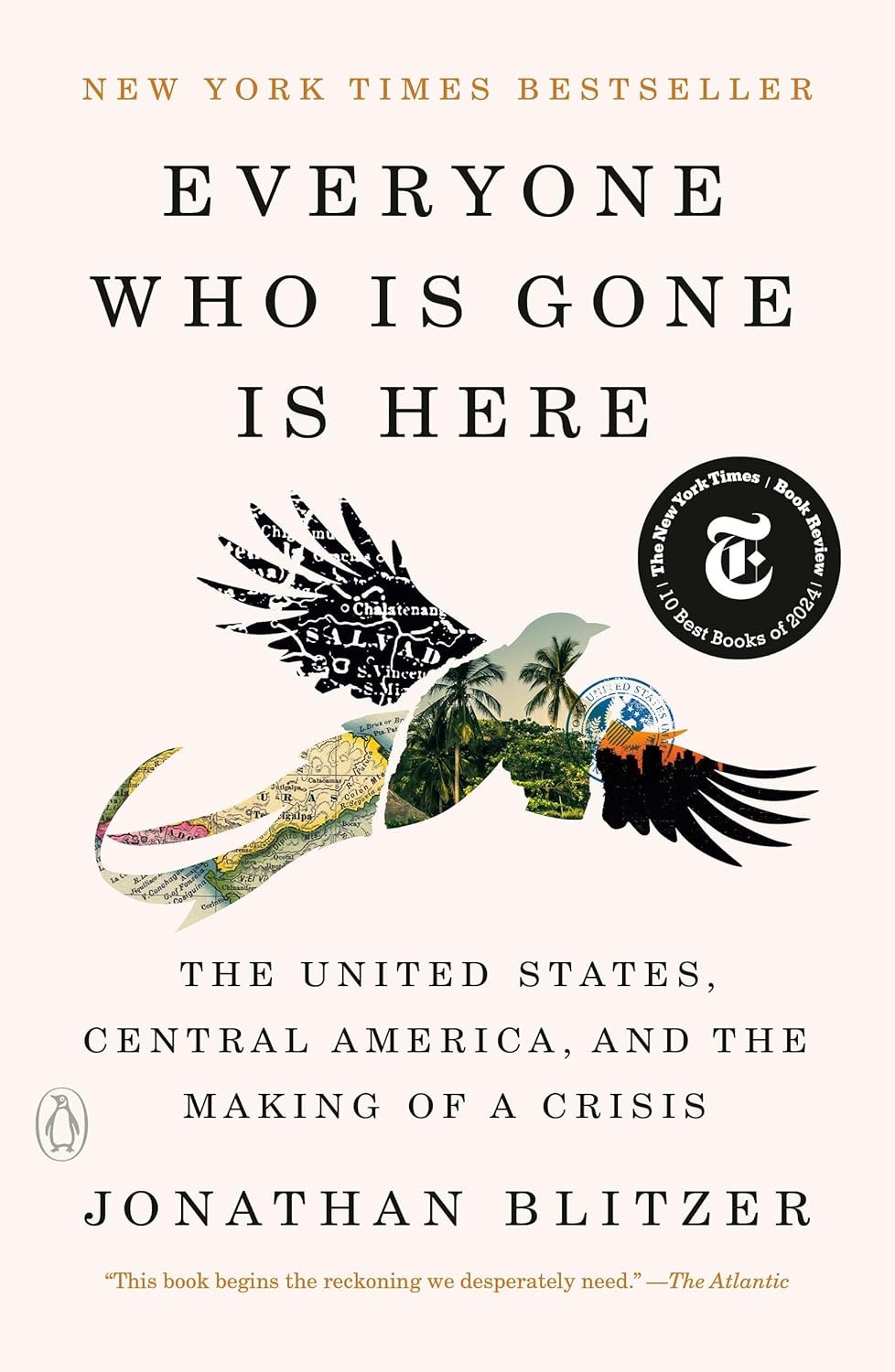
Picture this: families packing up everything, trekking thousands of miles through danger zones, all chasing a sliver of safety in the US. That's the raw reality Jonathan Blitzer lays bare in Everyone Who Is Gone Is Here, a deeply reported dive into the southern border crisis that's gripped headlines for years.
Most folks arriving at the US-Mexico line hail from El Salvador, Guatemala, and Honduras—places ravaged by gang violence, political upheaval, and soul-crushing poverty. Many have been deported before, yet they return because home offers no refuge. Blitzer doesn't just quote stats; he shadows these journeys, showing the desperation that drives parents to send kids alone or couples to brave cartels and deserts.
Flip the coin, and you meet the American side: activists fighting for change, officials wrestling bureaucracy, and politicians from both parties whose decisions—from trade deals to crackdowns—exacerbated the chaos. Decades of misguided interventions in Central America sowed corruption and conflict, turning quiet nations into exodus hotspots. Blitzer's forensic reporting connects dots across administrations, explaining why quick fixes never stick.
What sets it apart? Unprecedented access. Blitzer weaves heartbreaking personal tales—like a Salvadoran mom's endless fight for her deported son—with insider views from Washington. It's not dry policy wonkery; it's narrative nonfiction that reads like a thriller. Named a New York Times Top 10 of 2024, Obama's summer pick, and winner of major prizes, it's praised by Jon Stewart and the Washington Post for its thoroughness.
Reading it, you'll grasp why the crisis persists: it's not just 'illegals' versus 'border security,' but a tangled web of history and humanity. Perfect for anyone unpacking election debates or curious about global migration's local impact.
Grab this paperback for your nightstand, book club discussions, or as a thoughtful gift for news-savvy friends. At around 400 pages, it's substantial but page-turning. Dive in, and you'll see the border not as a line on a map, but lives crossing it daily—shaping politics, culture, and maybe your next vote.