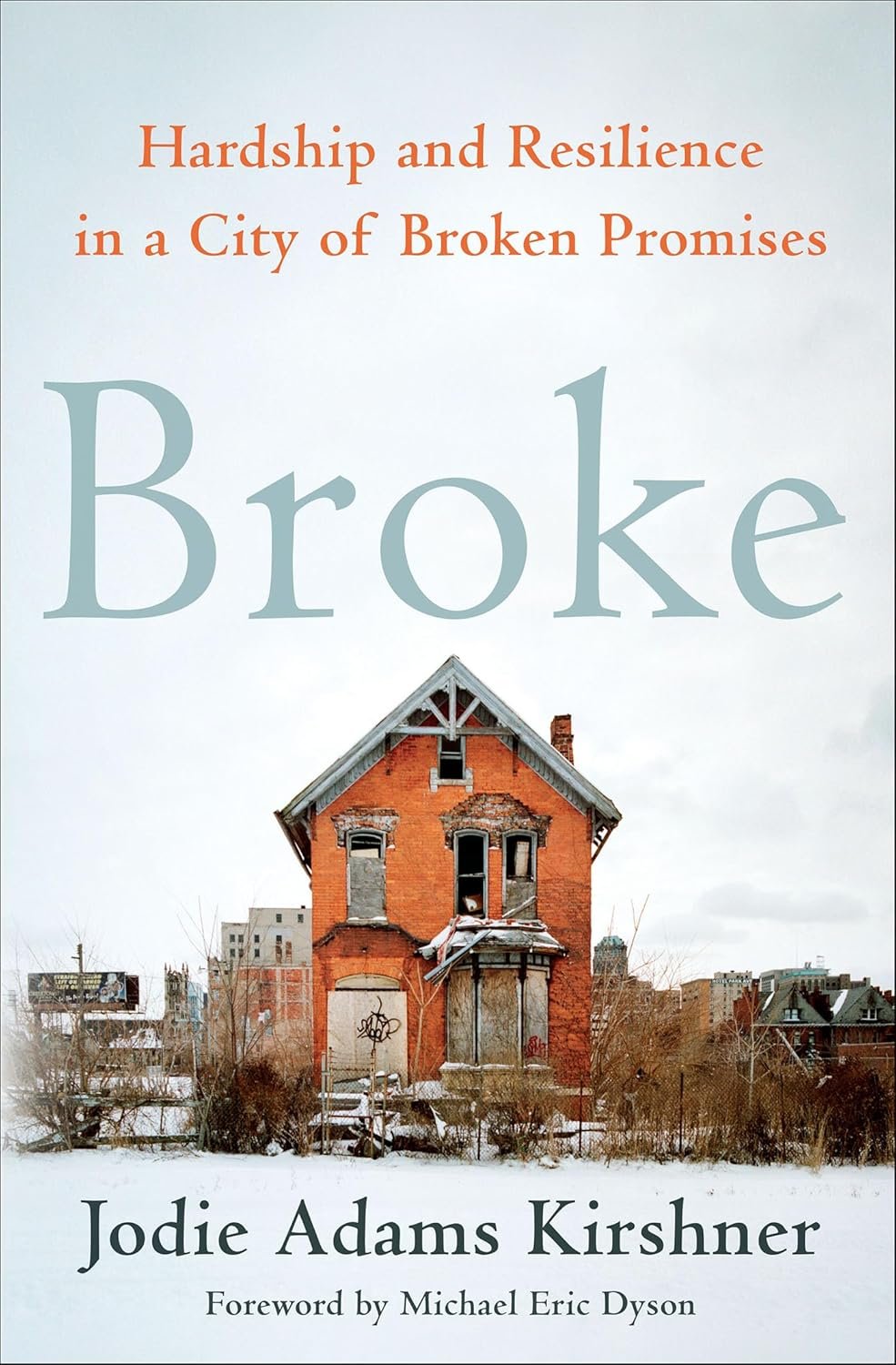
In the gripping narrative "Broke," author Jodie Adams Kirshner delves into the lives of seven Detroit residents as they navigate the complex aftermath of the city’s bankruptcy. This book not only recounts the financial struggles faced by these individuals but also highlights the systemic issues that contribute to urban decay. Kirshner's storytelling captures the essence of human resilience in the face of adversity, making a passionate case for why cities like Detroit represent a microcosm of broader American struggles.
This illuminating account introduces us to Reggie, who exhausted his savings in hopes of creating a stable home for his family, and Cindy, who battles personal demons while dealing with the impact of a community that feels neglected. We meet Lola, who endures exhausting daily commutes for a job that seems far removed from her roots. Through their narratives, Kirshner illustrates how structural inequalities and government neglect can deeply affect people's lives.
With over 40% of Detroit’s population living below the poverty line, the stories captured in "Broke" serve as a powerful reminder that behind financial statistics lie real human experiences. The emotional impact of the city’s financial collapse reverberates through its residents, leaving them with a broken real estate market, an inadequate school system, and a flagging job market.
In this beautifully written work, Kirshner writes with empathy and clarity, making an urgent call for equity in opportunity across America. She exposes the often-overlooked effects of governmental systems that fail their most vulnerable citizens. As described by critics, "Broke" is not only an eye-opening narrative but also a necessary conversation starter about the future of America’s cities. It beckons readers to recognize the strength and determination of those who refuse to give up despite overwhelming obstacles.
Readers who appreciated Matthew Desmond’s "Evicted" will find "Broke" to be a compelling companion piece that emphasizes the importance of understanding municipal distress not just in economic terms, but in the deeply personal stories of those affected. Kirshner’s careful reporting shines a light on the narrative of resilience amid hardship, inviting a reflection on the systemic changes necessary for a brighter, more equitable future.