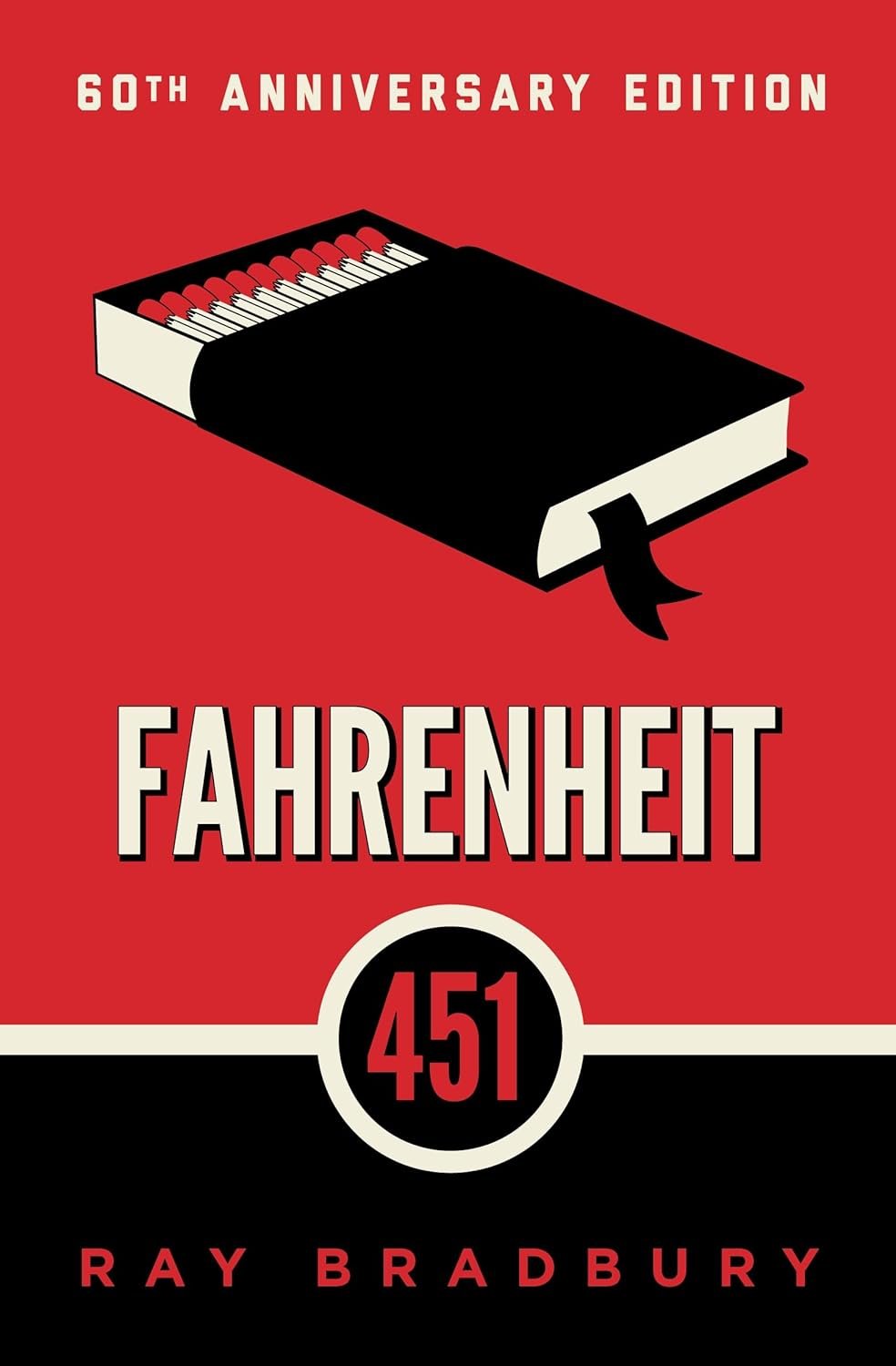
Nearly seventy years after its original publication, Ray Bradbury’s Fahrenheit 451 remains a cornerstone of world literature, depicting a haunting, dystopian future where books are illegal and critical thinking is actively suppressed. The narrative revolves around Guy Montag, a fireman whose role is to incinerate printed materials, symbols of knowledge and freedom.
Montag exists in a society that thrives on mediocrity, where intense emotion and intellectualism have been eradicated in favor of mindless entertainment. His wife, Mildred, encapsulates this lifestyle, spending her days engrossed in the shallow programming of their interactive television. This miserable existence is further complicated by his interactions with an unconventional young neighbor, Clarisse McClellan.
Clarisse is a breath of fresh air, encouraging Montag to remember the value of human connection and the profound impact of literature. She shares stories of a time before technology enslaved minds, a time when thoughts flowed like rivers through pages of books. This encounter ignites a spark of curiosity within Montag, leading him to seek out the forbidden and explore the richness of printed words that cultivate awareness and imagination.
As Montag's internal conflict grows, he embarks on a transformative journey that challenges the very fabric of his existence. He starts to confront the consequences of his profession and the hollow society surrounding him. Bradbury’s narrative serves as a chilling warning against censorship and a clarion call to treasure all forms of expression. The struggle for knowledge and truth amidst overwhelming oppression is a powerful theme that feels strikingly relevant in contemporary contexts.
Join Montag as he awakens to the reality of his world, discovering profound truths about freedom, individuality, and the importance of literature in shaping human experience.