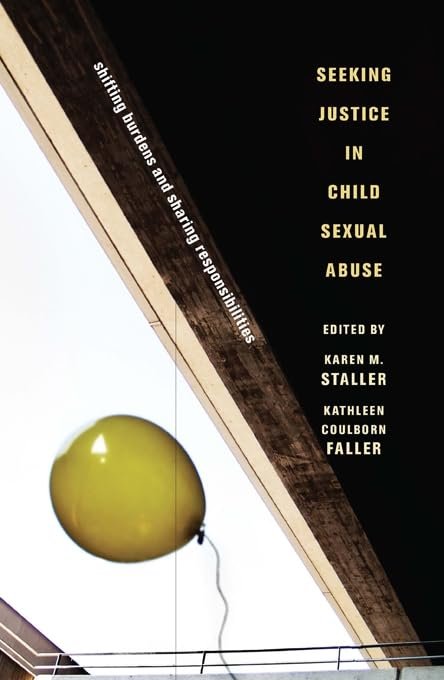
When child sexual abuse allegations surface, traditional legal approaches often re-traumatize young victims through lengthy court proceedings and probing interrogations. What if there was a better way?
In St. Mary County, a small rural enclave in the Midwest, professionals have pioneered a fundamentally different approach to handling accusations of child sexual abuse. Rather than placing the burden of proof on vulnerable children, they've developed innovative methods to obtain confessions from accused offenders, sparing victims the ordeal of testifying in court. This community has become a critical case study for what's possible when child welfare drives legal strategy.
This remarkable book brings together scholars from diverse fields to analyze St. Mary County's model comprehensively. They examine relevant case law, innovative treatments for both victims and offenders, and the social history of child sexual abuse as a national policy concern. The text covers the full spectrum of legal and scientific methods, from prosecutor protocols to interrogation techniques, expert witness usage, defense strategies, and the practical wisdom of videotaping interviews.
Through the unfolding drama of a single legal case from initial incident to final conviction, readers gain practical insights into implementing this approach. The authors address the unique complexities of child sexual abuse from multiple perspectives, creating a dialogue that resonates with professionals, advocates, and concerned citizens alike. This interdisciplinary text doesn't just present theory—it offers a working model that makes significant headway in the pursuit of justice, fairness, and trauma-informed care.
For communities seeking redress and healing, this book provides an indispensable tool for transforming how we respond to one of society's most challenging problems.