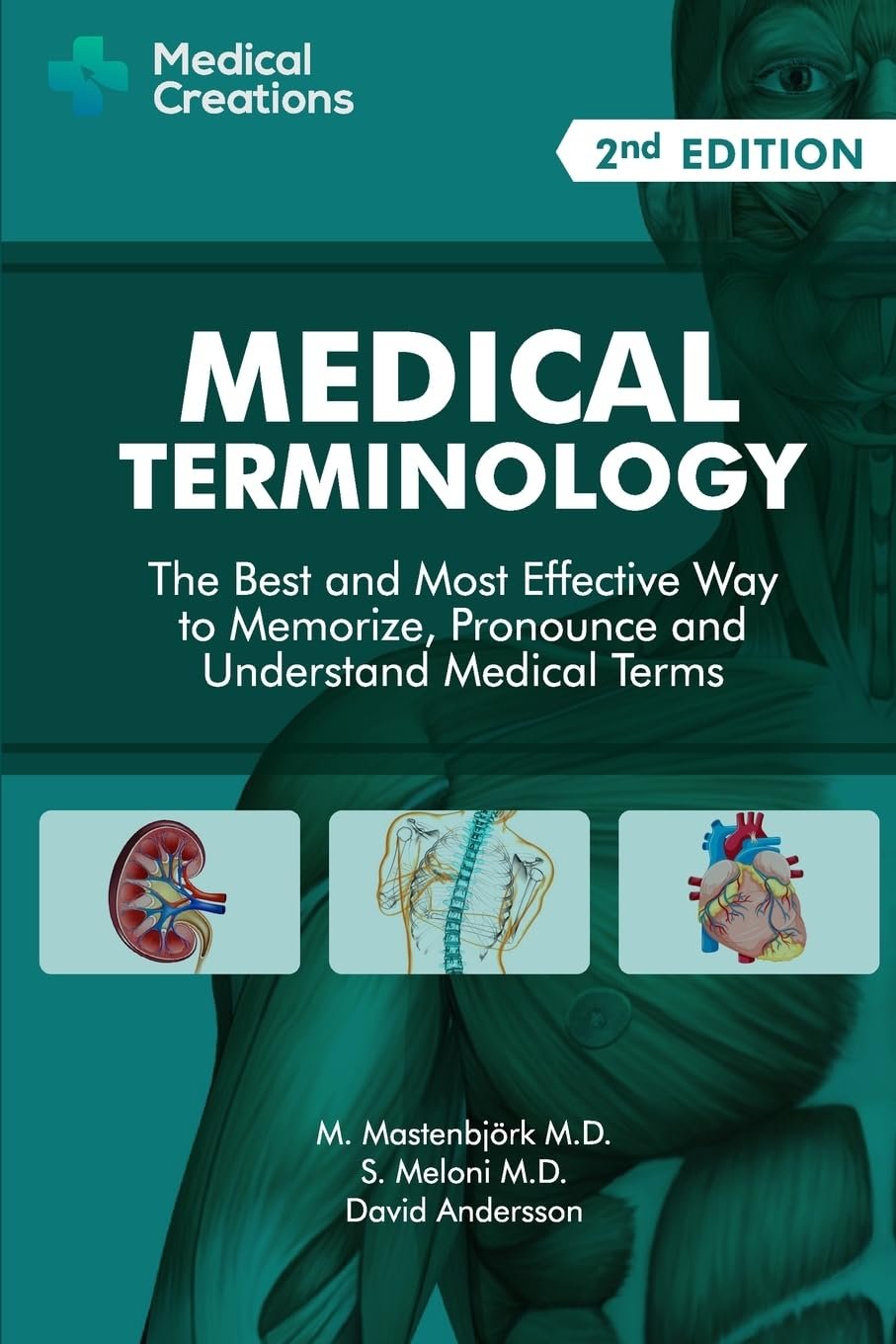
Picture this: you're in the middle of a bustling anatomy class, and the instructor drops a term like 'chondromalacia'—does it make your brain freeze, or do you confidently jot it down knowing exactly what it means? For so many students eyeing careers in nursing, paramedicine, or premed, medical terminology feels like a barrier at first. Lectures pile on, abbreviations fly around, and suddenly clinical notes look like a foreign language. That's where this second-edition book steps in, transforming that confusion into a toolkit you can actually use.
Instead of drowning you in dense textbook speak, this guide focuses on what works for busy learners. It starts with the basics: dissecting words into their building blocks—prefixes like 'hypo-' for under, suffixes such as '-ectomy' for removal, and roots tied to body systems. You'll find straightforward chapters covering everything from anatomy and physiology to patient care lingo and documentation shorthand. What sets it apart are the visual aids—think easy-to-scan charts that map out terms by category, so you can quickly reference them during study sessions.
The real magic happens with the built-in reinforcement. Each section ends with multiple-choice quizzes that test your grasp without feeling like a chore. Miss one? No big deal—the explanations circle back to why the term matters in practice, like how understanding 'bradycardia' helps you respond faster in an emergency room scenario. Over time, this method isn't just about memorizing; it's about internalizing the language so it becomes second nature, whether you're shadowing a doctor or prepping for your TEAS exam.
I've seen friends in nursing school swear by resources like this because they bridge the gap between theory and the hospital floor. Imagine decoding a patient's chart on the spot or chatting with a surgeon without missing a beat—that's the confidence this builds. It's especially handy for roles like medical assisting, phlebotomy, or even vet tech, where precise terms prevent mix-ups. And if you're gifting it to an aspiring healthcare pro, they'll appreciate how it cuts through the noise, pairing nicely with flashcards or a quick anatomy app for deeper dives.
Grab a coffee, flip open a chapter on your commute, or use the review questions during downtime at work. Students often combine it with workbooks for extra practice, turning sporadic study into a habit that pays off big. By the end, you'll not only pass those certification tests like the MCAT or CPC but also step into your career speaking the lingo fluently. It's not flashy, but it's effective—exactly what you need to navigate the world of medicine with ease.