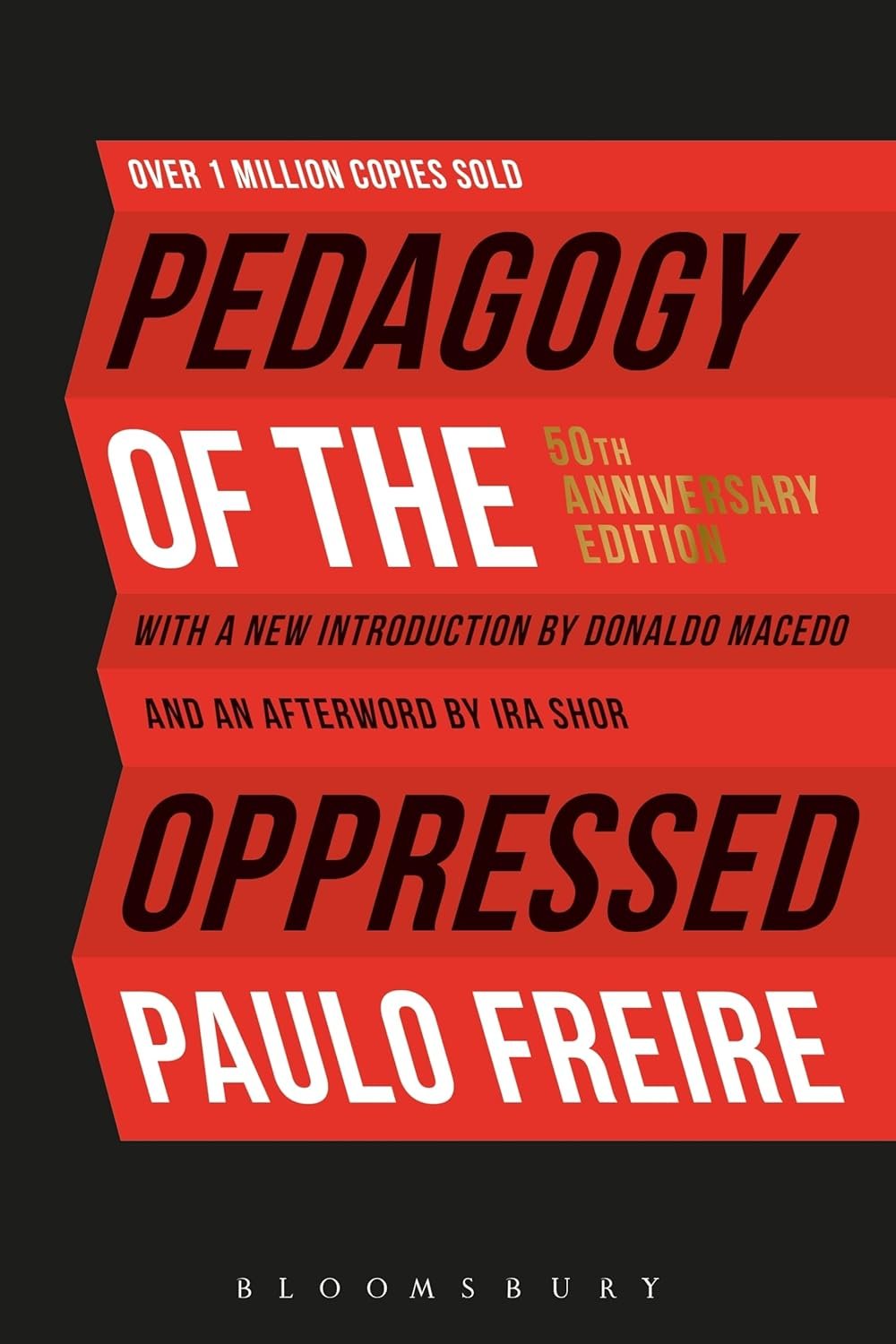
Ever wonder why some teaching methods leave students feeling trapped rather than inspired? Paulo Freire's Pedagogy of the Oppressed dives deep into this, showing how traditional education can perpetuate inequality. First published in 1968, this groundbreaking book argues for a dialogic approach where teachers and students co-create knowledge, turning passive learning into an act of empowerment.
In today's world, urban underclasses and marginalized communities still face systemic barriers that Freire so poignantly described. He critiques the 'banking model' of education—where facts are deposited into empty minds—highlighting how it maintains power imbalances. Drawing from his experiences in Brazil, Freire illustrates real-world examples of how oppressed groups internalize their subjugation, making it crucial for educators to recognize these dynamics.
This 50th anniversary edition breathes new life into Freire's work with an updated introduction by Donaldo Macedo, exploring its relevance in contemporary struggles. A new afterword by Ira Shor reflects on decades of impact, while interviews with influential voices like Noam Chomsky, Ramón Flecha, and Peter McLaren offer diverse perspectives. These additions make the book not just a historical text, but a living guide for today's educators, students, and activists.
Reading this book equips you with tools to transform teaching practices, encouraging critical thinking that challenges injustice. It's helped countless individuals worldwide to reclaim their voices, from community organizers in the U.S. to teachers in Europe fighting urban poverty. The tangible shift? Students who once felt silenced now engage actively, building confidence and collective action.
Imagine using Freire's concepts in a high school classroom to discuss social issues, or in adult literacy programs to empower immigrants. It's perfect for workshops on critical pedagogy, where participants debate real policies affecting minorities. Whether you're a teacher revising your curriculum or a general reader pondering societal change, this edition sparks meaningful conversations that last.
As you turn these pages, Freire's urgent call to humanize education resonates more than ever. Grab this edition and join the ongoing dialogue for a more just world.