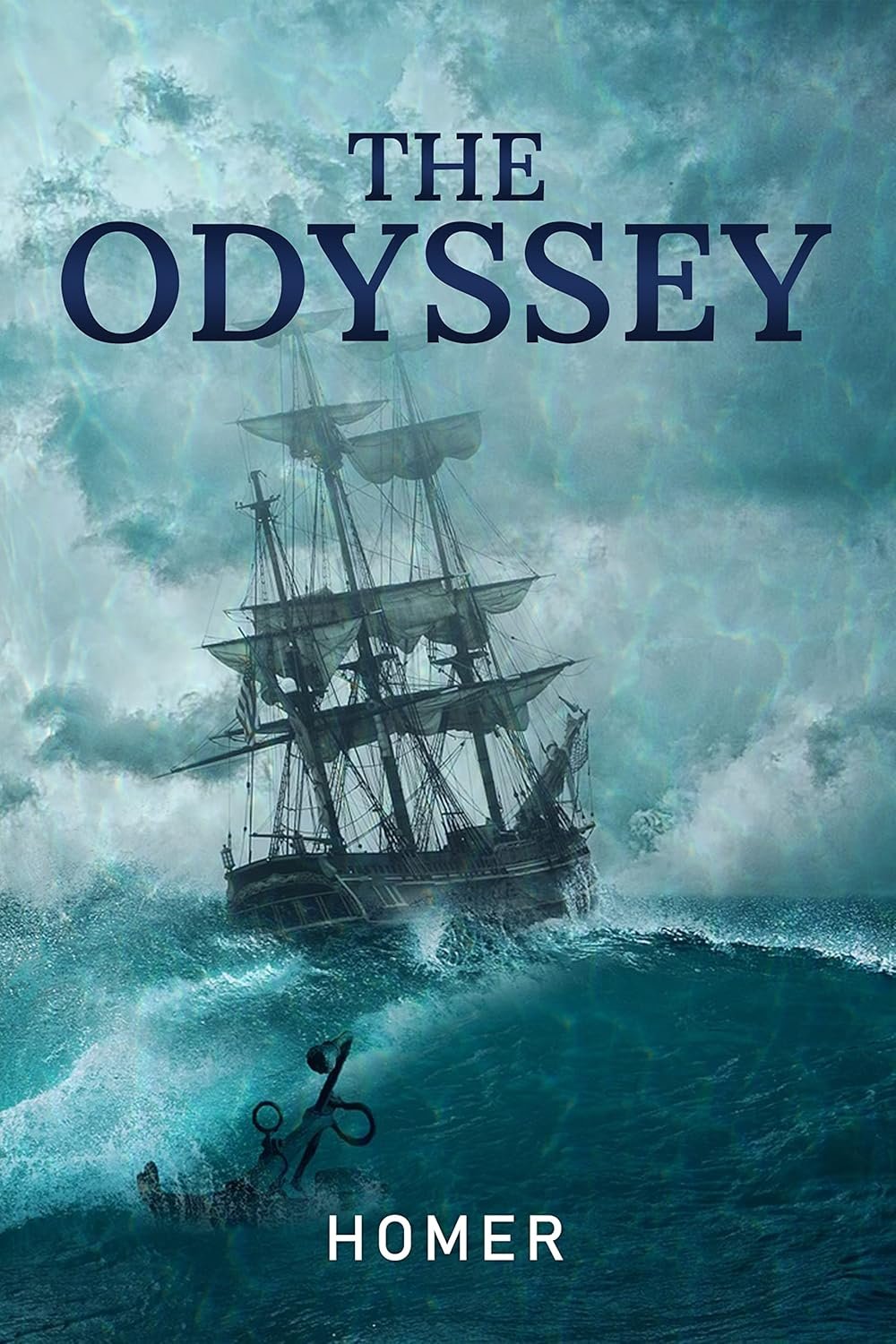
The Odyssey is a cornerstone of ancient Greek literature and one of the most significant epic poems attributed to the legendary poet Homer. This work, believed to have been composed around the 8th or 7th century BCE, is a continuation of the adventures following the Trojan War and tells the story of Odysseus, the brave king of Ithaca. After ten years of war, Odysseus embarks on his daunting journey home that assails him with numerous challenges and tests of will.
As he navigates through storms, mythical creatures, and the wrath of vengeful gods, Odysseus faces a journey that stretches over a decade as he strives to reunite with his loyal wife, Penelope, and son, Telemachus. Meanwhile, back in Ithaca, Penelope is besieged by suitors who believe Odysseus is dead, intensifying the tension of his absence.
The richness of The Odyssey lies not only in its plot but also in its themes of nostos (return), xenia (guest-friendship), and the nature of struggle against overwhelming odds. The poem showcases a strong representation of women and slaves, presenting their narratives with significance that surpasses many other works from the period.
The Odyssey remains a vital part of classical studies and the world literature canon, inviting readers to ponder the complexities of heroism, morality, and the human condition. This epic, recited through oral tradition and meant to be experienced rather than simply read, continues to inspire countless adaptations in literature and art.