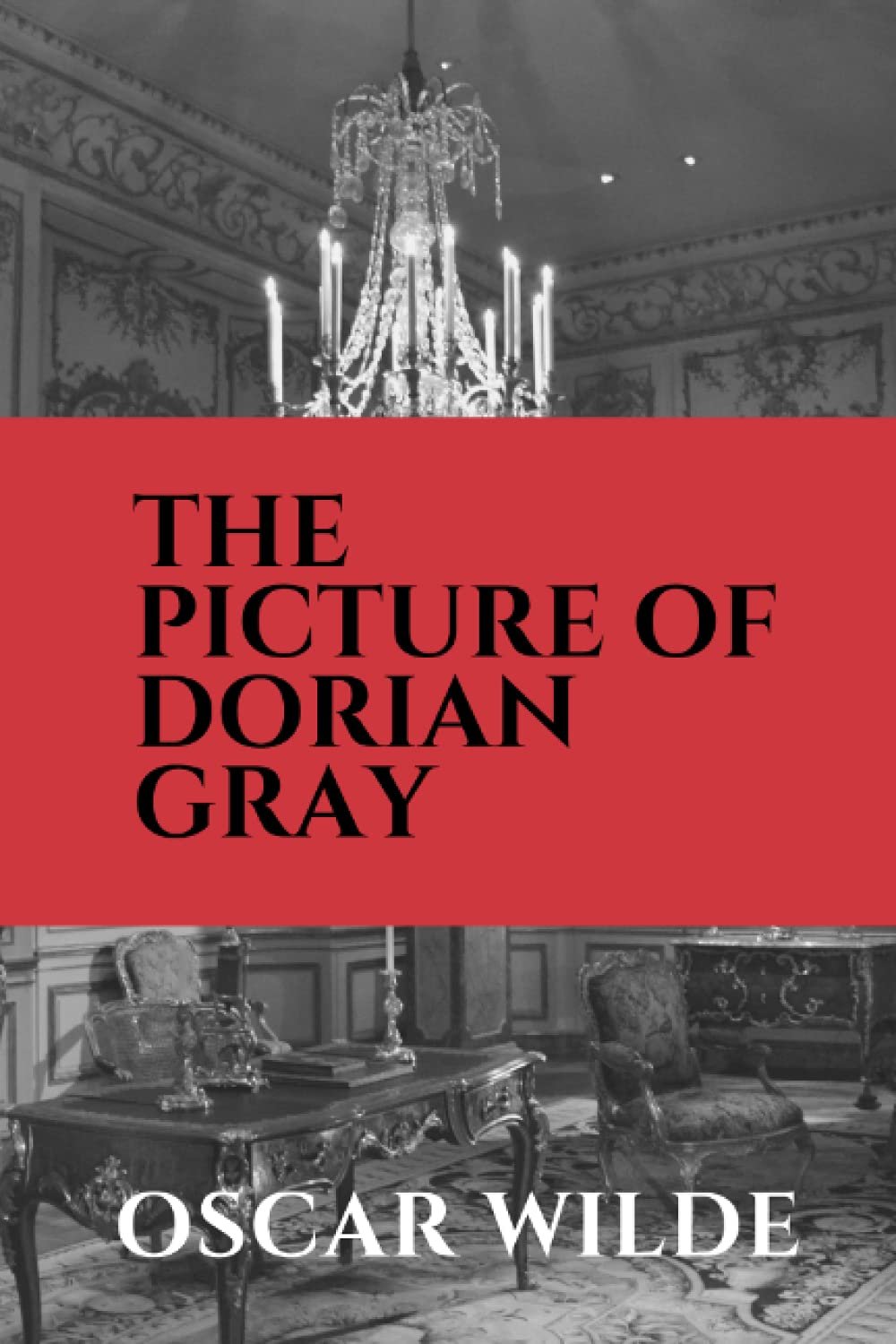
Author: Oscar Wilde
Published: 1890
This acclaimed novel by Oscar Wilde delves into the life of Dorian Gray, a captivating young man whose beauty captures the imagination of those around him. The story begins when Dorian becomes enamored with his own portrait, leading him to wish for eternal youth and beauty. As if by magic, his wish is granted; only the portrait ages and bears the marks of his moral transgressions.
As Dorian immerses himself in a world of hedonism, his pursuit of pleasure leads to a life filled with excess. Yet, as he indulges his every desire, the painting secretly reveals the truth about his character. With each unholy act, the portrait becomes increasingly grotesque, mirroring the corruption of his soul. This duality between appearance and reality poses haunting questions about vanity and the cost of one's lifestyle.
Wilde’s narrative does not just portray the fall of Dorian Gray but also serves as a critique of Victorian society. Through sharp wit and beautifully crafted prose, the author challenges the moral standards of his time, making readers reflect on their values and the nature of beauty.
The character of Oscar Wilde himself adds further intrigue; an influential figure of the Aesthetic Movement, he faced significant opposition due to his lifestyle and beliefs. His works, marked by sparkling dialogue and acute social commentary, continue to resonate. They inspire countless readers who admire his fearless challenge to societal norms.
In conclusion, The Picture of Dorian Gray is not only a staple of English literature but also a profound exploration of human nature's complexities that remains relevant to readers today. It invites contemplation on morality, consequences, and the often thin line between art and reality.