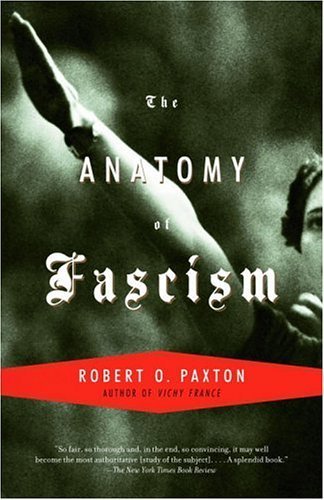
This book is more than just a historical account; it is an analytical tool that seeks to uncover why fascism came to power in some countries while it failed in others. Paxton delves into the conditions and societal factors that facilitated the rise of these authoritarian movements in early 20th-century Europe, providing readers with a nuanced understanding of the context in which fascism emerged.
Critically acclaimed, The Anatomy of Fascism is described as “a deeply intelligent and very readable book” by The Economist. Paxton draws upon a lifetime of research to present a transformative narrative that reshapes our understanding of fascism—acknowledged as one of the major political innovations of the 20th century, alongside its significant implications for human suffering and history.
As readers traverse through Paxton’s insights, they will come to realize that understanding fascism is imperative not only for grasping historical perspectives but also for recognizing the potential resurgence of similar ideologies today. This book promises to make a lasting impact on our comprehension of modern European history, akin to how Paxton’s earlier work, Vichy France, redefined the narrative of World War II.
In conclusion, The Anatomy of Fascism serves as an essential read for anyone interested in political history, sociology, and the intricacies of human behavior in the face of authoritarianism.