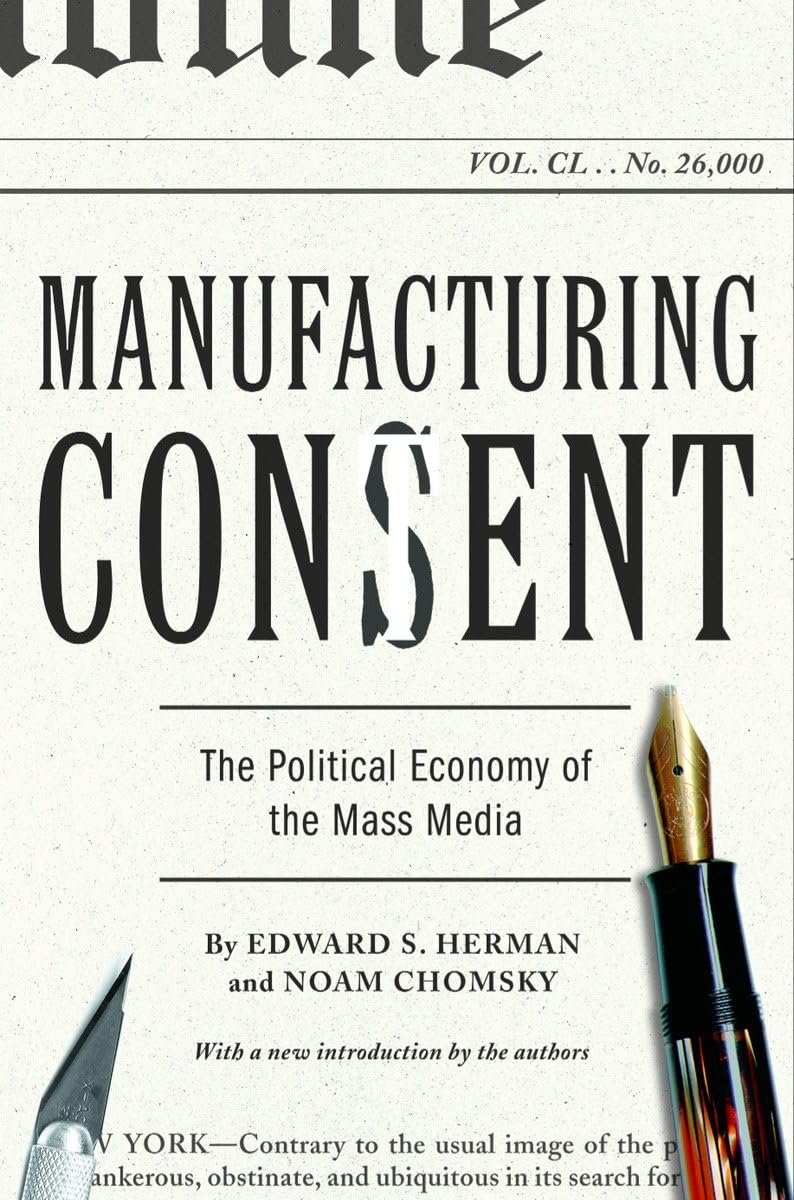
Picture this: you're scrolling through headlines, sensing something's off, but you can't quite pinpoint why certain stories dominate while others vanish. That's the starting point for Manufacturing Consent, the landmark book by Noam Chomsky and Edward S. Herman that lays bare the mechanics of mass media bias. It's not about conspiracy theories—it's a clear-eyed analysis of how economic and structural forces turn 'independent' journalism into a echo chamber for power.
At its core is the Propaganda Model, a simple yet devastating framework with five filters—ownership, advertising, sourcing, flak, and anti-communism (now anti-terrorism or whatever threat du jour). These aren't shadowy plots; they're everyday pressures that shape what makes it to print or air. Take Vietnam: media initially cheered the war, then flipped as public opinion soured, not from bold reporting but from elite consensus shifts. Or consider 'worthy' versus 'unworthy' victims—genocide in one country gets wall-to-wall coverage, while similar horrors elsewhere barely register.
This 2002 paperback edition packs a fresh introduction tackling NAFTA coverage, global protest blackouts, and environmental rollbacks. It's as vital now amid social media echo chambers and 24/7 cable spin. You'll learn why corporate mergers mean fewer voices, how advertisers pull strings, and why dissenting experts rarely get mic time.
Reading this feels like gaining X-ray vision for news. Next time a story about foreign policy flares up, you'll spot the omissions—the ignored context, the framed narratives. It's practical for students dissecting op-eds in class, activists countering smears, or anyone tired of feeling manipulated. Pair it with current events: apply the model to Ukraine coverage or climate denial pieces, and watch patterns emerge.
At under 500 pages, it's dense but accessible, blending data with readable prose. No jargon overload—just facts that stick. If you've ever wondered, 'Who decides what's news?', this book hands you the answer. Transform passive consumption into active discernment; your worldview will thank you. Perfect companion for late-night reading or book club debates that actually go somewhere deep.