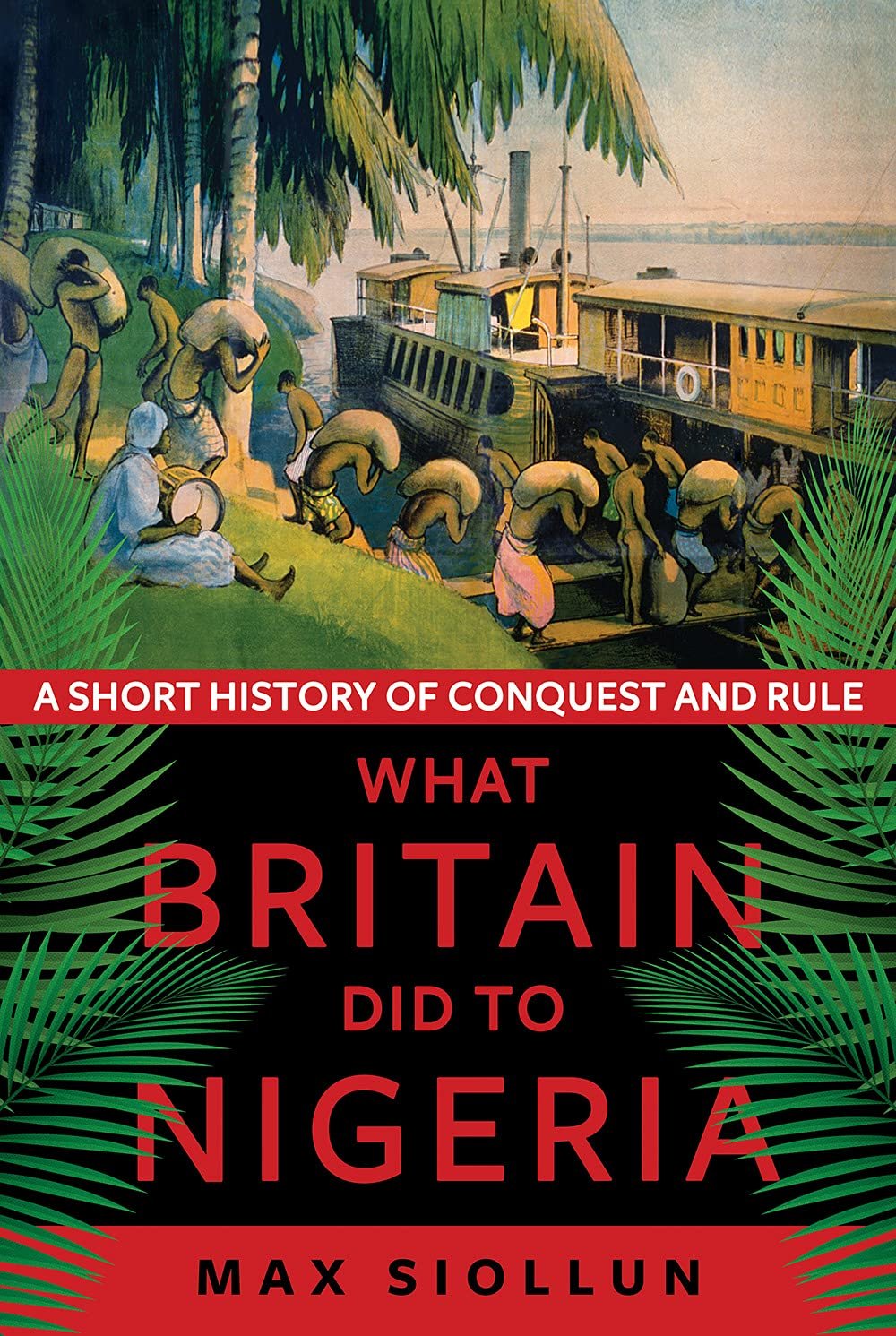
Have you ever picked up a history book and felt like something was missing—the raw, unfiltered truth? That's exactly what Max Siollun delivers in What Britain Did to Nigeria: A Short History of Conquest and Rule. Forget the sanitized stories of benevolent empire-building; this paperback dives straight into the gritty reality of how Britain turned a diverse land into a colony, leaving behind divisions that echo today.
Traditional accounts, often penned by colonial officials, paint Britain as a knight in shining armor, sweeping away 'barbaric' practices like slavery and human sacrifice. But Siollun calls out the hypocrisy: yes, some dark customs faded, but at what cost? The conquest brought waves of extreme violence, from brutal military campaigns to the cynical pitting of ethnic groups against each other to keep control. Imagine longstanding communities, with their own legal systems and social bonds, being forcibly rewritten to fit British agendas—turning neighbors into rivals overnight.
Siollun breaks it down with sharp, evidence-based analysis. Religious identities were manipulated to sow discord, while economic exploitation drained resources without building lasting infrastructure. The book details specific events, like the forceful amalgamation of regions in 1914, which ignored cultural boundaries and planted seeds for future conflicts. It's not just dry facts; Siollun weaves in the human side, showing how these policies upended daily lives, from farmers losing land to families torn by imposed borders.
The aftershocks? They're everywhere in Nigeria's story post-independence. Political instability, ethnic clashes, even economic hurdles—many trace back to those colonial blueprints. Reading this, you'll see how Britain's exit in 1960 wasn't a clean break; it dumped unresolved messes on Nigerians to sort out. It's eye-opening for anyone curious about African history, postcolonial studies, or just how empires really work. Whether you're a student prepping for a paper, a traveler wanting context for a visit, or someone reflecting on global inequalities, this book provides the clarity to cut through the noise.
At around 300 pages, it's concise yet comprehensive, perfect for a deep dive without overwhelming detail. Grab it if you're ready to rethink what you thought you knew about colonialism—it's a conversation starter that sticks with you long after the last page.